Tool Kit for First-Time Homeowners UK (Budget to Pro)
TL;DR: The best tool kit for first time homeowners UK includes an "80/20" core set of essentials: a Pozi/Phillips screwdriver set, a claw hammer, combination pliers, a 5m tape measure, and a utility knife. Based on our testing at InfuriPaint, building your own kit for around £100 offers much better quality and ergonomics than buying cheap, pre-packaged starter kits, ensuring you have safe, reliable tools for everyday British home maintenance.
Key Takeaways
- If you’re a first-time homeowner, an 80/20 tool kit (the tools you’ll use constantly) beats buying a massive set full of duplicates.
- For most UK homes, a £100 tier kit built around quality screwdrivers, a hammer, pliers and a tape measure covers the majority of jobs safely.
- Starter kits offer convenience; however, a build-your-own approach often gives better ergonomics and fewer “filler” tools.
- Match your tools to the rooms you’ll maintain most: kitchens (fixings), bathrooms (sealant), and gardens (outdoor screws and cuts).
- Therefore, choose storage based on your space: a bag (portable), a box (stackable), or wall storage (ideal for small flat, shed, or garage efficiency).
The Essential Tool Kit for First-Time Homeowners UK (Budget to Pro)
Getting the keys to your new property is incredibly exciting, but it also brings a wave of unexpected maintenance jobs. If you are wondering what makes the perfect tool kit for first time homeowners UK, the answer is a curated selection of core hand tools—specifically Pozi screwdrivers, a claw hammer, pliers, and a tape measure—tailored to the fixtures commonly found in British homes. You don't need a massive, expensive workshop; you just need reliable essentials to tackle loose door handles, wobbly toilet seats, and curtain rail installations safely.
Here at InfuriPaint, this guide is written from hands-on testing and experience assembling practical kits for UK homes (ranging from Victorian terraces to modern new-builds). We focus strictly on what you’ll actually use, what to skip, and how to hit a sensible budget without having to buy twice. Furthermore, we’ll flag UK-specific considerations throughout—such as the prevalence of Pozi screws in British fittings, safe DIY boundaries according to UK guidelines, and the specific types of wall plugs needed for British masonry and plasterboard.
What tools does a first-time homeowner actually need in the UK?
Most homeowners use a small core of tools again and again. Based on our testing, the “80/20” set—meaning the 20% of tools you'll use for 80% of your jobs—includes: screwdrivers (especially Pozi), a hammer, pliers, a tape measure, a spirit level, and a basic utility knife. Consequently, you can hold off on buying power tools and simply add a drill later if you’re hanging shelves or putting up lots of fixings.
Moreover, there’s a real money-saving reason to keep your kit focused. UK consumers are spending significantly more on home upkeep: household spending on maintenance and repair rose to £35.7 billion in 2023, up from £24.8 billion in 2013, according to the Office for National Statistics (ONS), “Household expenditure by COICOP” dataset. Therefore, a sensible basic tool kit for home UK pays for itself incredibly quickly if it helps you avoid repeat call-outs for minor handyman fixes.
What is the essential tool checklist for a new house?
- Screwdriver set (Pozi + Phillips + Torx) — Most UK hinges, handles and flat-pack fittings use Pozi; meanwhile, Torx is increasingly common on newer furniture and decking fixings.
- Claw hammer — Essential for light demolition, tapping in picture pins, and pulling out old nails.
- Pliers (combination + long-nose) — Ideal for gripping, bending, pulling small fixings, and reaching into awkward spaces.
- Tape measure (5m) — Crucial for measuring curtains, checking furniture fits, room dimensions, and cutting materials.
- Spirit level (30–60cm) — Necessary for hanging pictures, mirrors, shelves, and lining up fittings accurately.
- Utility knife + spare blades — Perfect for opening moving boxes, trimming old sealant, cutting packaging, and light material cuts.
- Hex keys (Allen keys) — Required for flat-pack furniture assembly and adjusting many internal fittings.
- Wall plugs + screws assortment — Keeping a small organiser box on hand saves multiple frustrating trips to the local DIY shop.
If you want to go deeper on manufacturing quality and what to look for (such as steel types, handle ergonomics, and realistic price points), use our comprehensive pillar guide: Best Hand Tools for DIY in the UK: Buyer’s Guide (£).
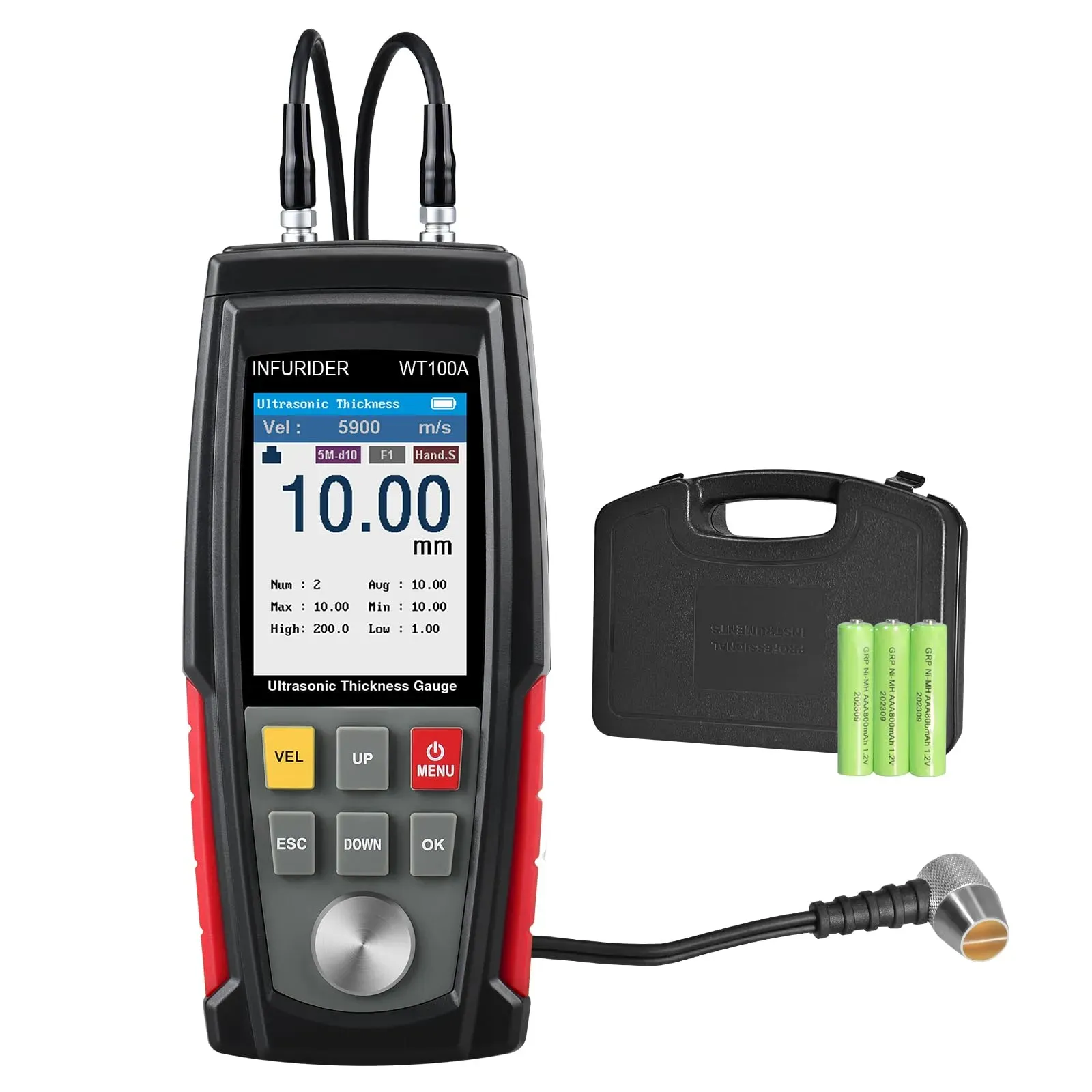
Renovating a car or checking for hidden filler before you buy? See our Ultrasonic Paint & Metal Thickness Gauge — dual-mode readings from £104.87 with free UK delivery.
Should I buy a pre-made starter tool kit or build my own?
The big question many new buyers face is whether to buy a boxed set or build a tailored kit. For first-time homeowners, both approaches can work—provided you understand the trade-offs in quality and cost.
Option A: Starter kit (boxed tool set)
- Pros: It is a single purchase, fast to get started, usually includes a dedicated storage case, and is decent for sudden emergencies.
- Cons: Conversely, it often includes “filler” items (like duplicate driver bits or tiny spanners you’ll never use), features lower-grade screwdrivers, and sometimes uses awkward plastic handles that fatigue your hand quickly.
- Typical cost: £25–£120 depending on the brand and total piece count.
Option B: Build-your-own kit
- Pros: You get significantly better ergonomics and durability. Furthermore, you buy only what you genuinely need, making it easier to upgrade tool-by-tool over time.
- Cons: It takes more planning, you’ll need to buy a separate tool bag or box from day one, and the upfront spend can creep up if you decide to "premium everything".
- Typical cost: £60–£200+ depending on the quality of the brands selected.
Our official recommendation at InfuriPaint for most people aiming for the best home tool kit UK under £100: start with a compact, build-your-own core (quality screwdrivers + hammer + pliers + tape measure). Afterwards, add job-specific items as your house naturally reveals what it needs.
If you’re unsure about screws specifically, upgrading your drivers is one of the highest-impact choices you can make early on. Learn more here: Best Screwdriver Set UK: Pozi vs Phillips vs Torx. Ultimately, it’s the difference between cleanly tightening a hinge and frustratingly chewing up screw heads across the house.
What are the essential tools for different rooms in a house?
A good DIY starter tool kit UK checklist isn’t only about the tools themselves—it’s about where and how you’ll use them. Here’s a practical room-by-room breakdown based on the common fixes most UK homeowners encounter.
Kitchen essentials
- Screwdrivers (Pozi/Phillips) for adjusting cupboard hinges, tightening handles, and securing integrated appliance panels.
- Adjustable wrench for tightening small plumbing fittings and occasionally adjusting appliance levelling feet.
- Torch or head torch for illuminating dark, under-sink work areas.
- PTFE tape for sealing minor threaded water connections (only where appropriate).
- Microfibre cloths for quick cleanup and providing extra grip when working around slippery chrome fittings.
For a detailed look at spanners versus adjustables (and when each makes the most sense), see our comparison: Best Adjustable Wrench UK vs Spanner Set: Which to Buy?.
Bathroom essentials
- Silicone sealant + sealant remover tool for waterproofing bath/sink edges and shower trays.
- Caulking gun (necessary if you are using standard cartridge sealant).
- Long-nose pliers for retrieving awkward clips and handling small fixings near plugholes.
- Allen keys (as many modern taps and fixtures use hidden grub screws).
- Mould-resistant cleaning solution and a stiff brush for ongoing tile maintenance.
UK Safety Note: If you’re tempted to tackle electrics in bathrooms, please be extremely cautious. According to UK building regulations (Part P), bathrooms are classed as "special locations" with strict additional safety requirements. For anything beyond very basic, like-for-like aesthetic changes, always use a competent, registered electrician.
New home, used car, or both? Add a thickness gauge to your core kit.
Free UK delivery · 30-day returns · USB-C rechargeable · Dual paint & metal modes
View the Pro-T1 Gauge — £104.87